
As part of our Paper Writing Retreat 2026, held in Charney Manor (Oxford), we invited guest speaker, Dr Catherine Quarini, to share her knowledge on writing effective research papers and choosing the right journal for them to be published in. Here are some of the top tips we learnt:
The importance of publication
Catherine began by asking the delegates to reflect on what impact they wanted their research to have. Every piece of research has a goal, from changing clinical practice, informing health policy, introducing a more accurate scientific research method, or sparking discussion on a condition or problem.
Publication is the main way to disseminate findings to a large audience in a small time-frame. Citations of your published work spread your findings further. As Catherine highlighted in her talk: unless your work is published and the intended target audience reads it, it’s unlikely to have an impact.
A surprising amount of research is never published. Not publishing research is both harmful for the individual researchers in terms of their career, and also at a societal level. Unpublished findings can result in research being duplicated, wasting time and money, and risking harms to people if ineffective interventions are repeated.
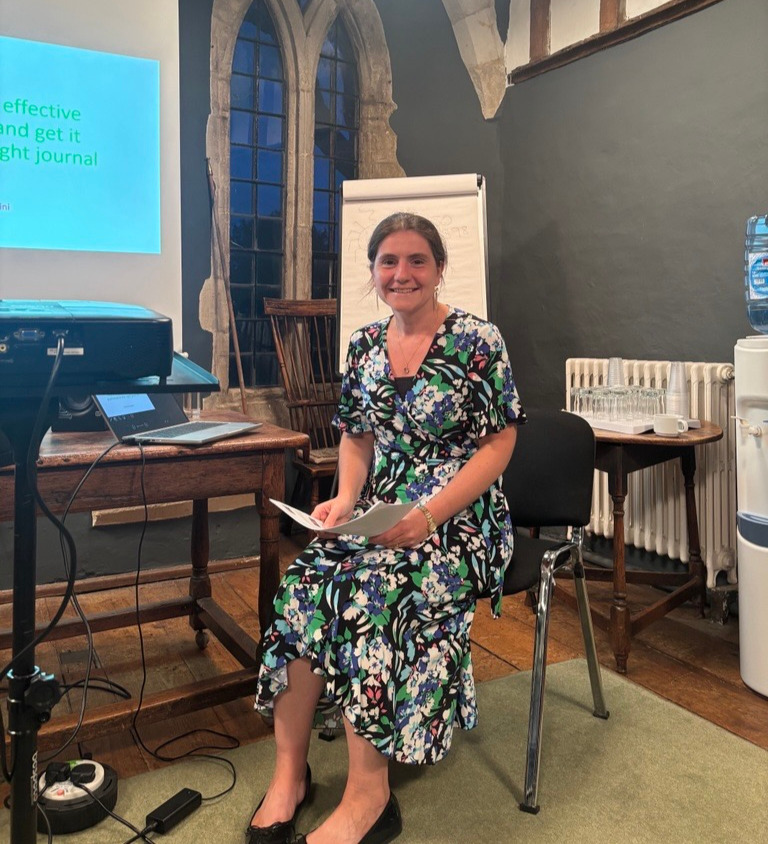
Catherine spent five years as Senior Editor of The Lancet Psychiatry.
Factors to consider when choosing a journal
Spending time thoroughly researching the best journal to submit your work to now can save you a lot of time later dealing with journal rejections.
Catherine summarised the main issues for authors to weigh up when deciding which journal was the best fit for their work, as well as how journals are indexed in various databases, and how impact factors work. One theme which emerged strongly in the group discussion was that many of our researchers work on cross-disciplinary research topics, which can make it more challenging to decide on a journal as there are so many to choose from with each having its own requirements and scope.
- Subject matter or scope: Have a look at the previous issues and published topics. Does your work complement the theme of the journal? A paper on population health approaches to addressing mental health conditions could be sent to a psychiatry journal or a public health one.
Consider sending a pre-submission enquiry to the editor. Focus on explaining why your work is relevant to their journal.
- Requirements: Some journals have requirements focusing on the number of figures permitted, word counts and more. Does your paper fit these requirements without severely impacting its quality?
- Publishing time and reviewing process: The publishing time is the total length of time it takes for a submitted manuscript to be published. This includes screening, peer review, corrections, formatting, and acceptance for publication.
Most journal websites will include details on their publishing time and acceptance rate, including the date of submission, date of acceptance and date of publication. Use these statistics to help inform your choice of journal. If your research is competitive or time-sensitive, a journal with a long publishing time might not be appropriate.
- Acceptance rate: Aim for the best place for your research but also recognise that it’s better to be published in a slightly lower ranking journal than not at all and your work never getting shown to the world.
Ranking and indexing: These factors can signify where you will get the greatest number of readers and recognition. The ‘impact factor’ is one way in which journals are ranked – this is a measure of how many citations papers in the journal receive. Journals with a high impact factor are generally considered more prestigious, but what exact figure signals a high impact factor will depend on the discipline. For example, Source-Normalised Impact per Paper (Scopus) can be used to compare citations between disciplines.
Make sure the journal you’re aiming for is indexed in a well-known database. Popular databases for indexing include Scopus, Pubmed, Google Scholar, and Web of Knowledge.
Note: There are always exceptions to these tips. If your paper focuses on a specific niche research area, a lower-ranked journal that is read by most of the researchers in this niche subject area is more advantageous than a higher-ranked journal with a smaller proportion of readers.
If you’re unsure where to start finding a journal:
Ask around: Talk to your colleagues about which journals they have used and their experiences.
Databases: Use one of the well-known indexing databases, and put in relevant key words to your research. These will provide a good starting point for potential journals for you to explore. Check their respective websites for details on their impact factor and other info about the editorial process.
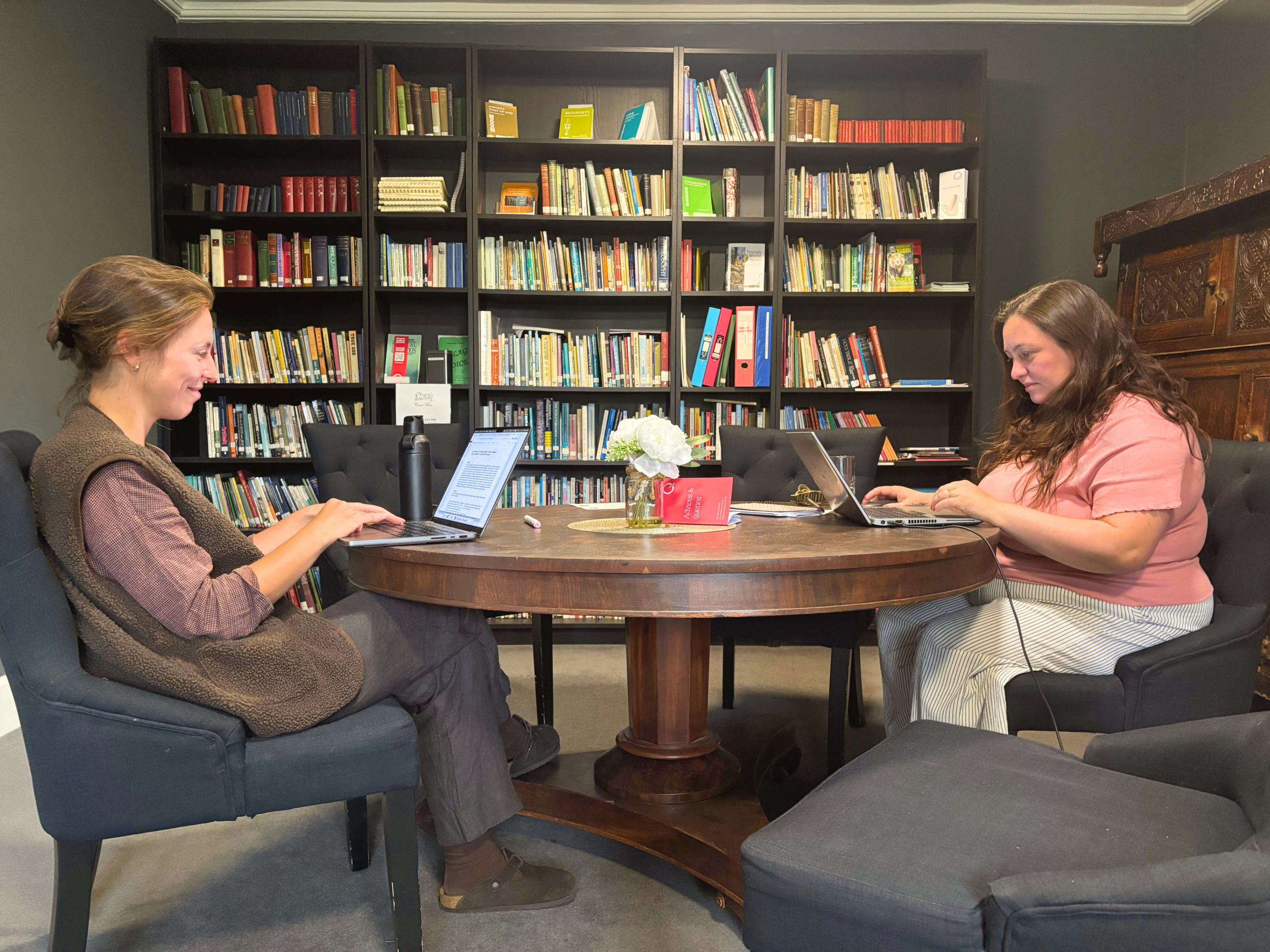
Talk to your colleagues about their experiences with various journals and where they have published their work.
Writing the paper:
Catherine discussed some different ways to approach writing a research paper. This will vary according to the discipline and subject, but any research which is going to be published needs to demonstrate all three aspects of the work being original, accurate, and significant.
One way of writing a paper is to begin with the results section showing the original results then to explain how the results were found using the most accurate and reliable approach (the methods section). Following this, you can then write how they are important or significant (the discussion section). Move onto the conclusions, then the introduction.
Finish with the most important part of all to get your paper read – the abstract. The abstract is the chance for you to highlight the importance of your paper and its findings. What is the added value to what is already known?
Finally, remember that the title and key words are essential for readers searching for your paper and need to reflect the content accurately.
Thank you so much to Catherine for providing such a detailed and interesting talk! It led to many reflections and interesting points of discussion, and our researchers hopefully feeling motivated to write up their research and progress along the publication pathway!
To find out more about the Paper Writing Retreat, and receive notifications when applications open, visit this page.